
DIY Roof Repair: What You Can Do Before Calling a Terre Haute Pro
LB
Introduction to DIY Roof Repair
Every homeowner eventually faces the challenge of roof maintenance. Before you call a professional in Terre Haute, consider tackling some basic repairs yourself. Not only can this save you money, but it can also empower you with valuable skills.
Assessing the Damage
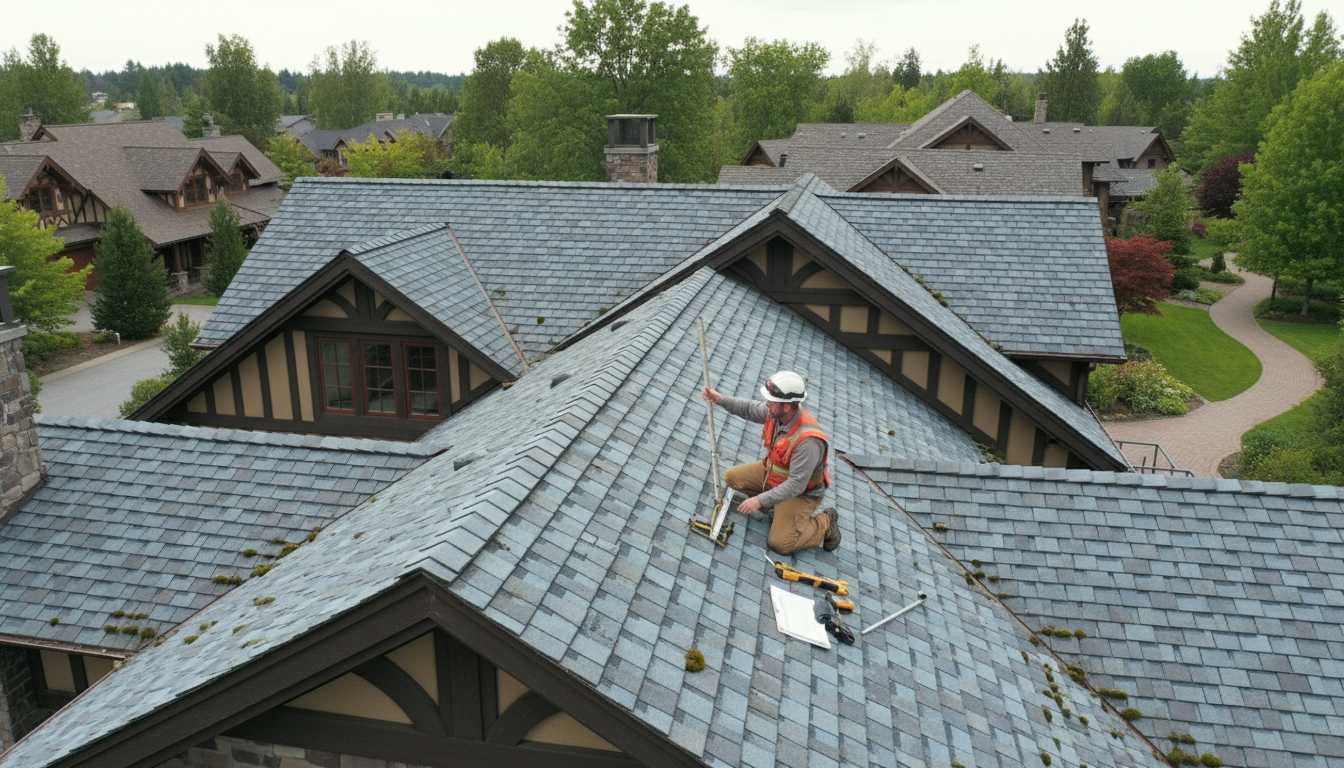
The first step in any DIY roof repair is a thorough assessment. Check for missing or broken shingles, look for leaks inside your home, and inspect for any visible signs of wear and tear. Use binoculars or a drone to get a closer look without risking injury.
Tools You'll Need
Having the right tools on hand can make a big difference in the success of your repair. Some essentials include:
- Hammer
- Roofing nails
- Utility knife
- Ladder
- Safety harness
Repairing Shingles
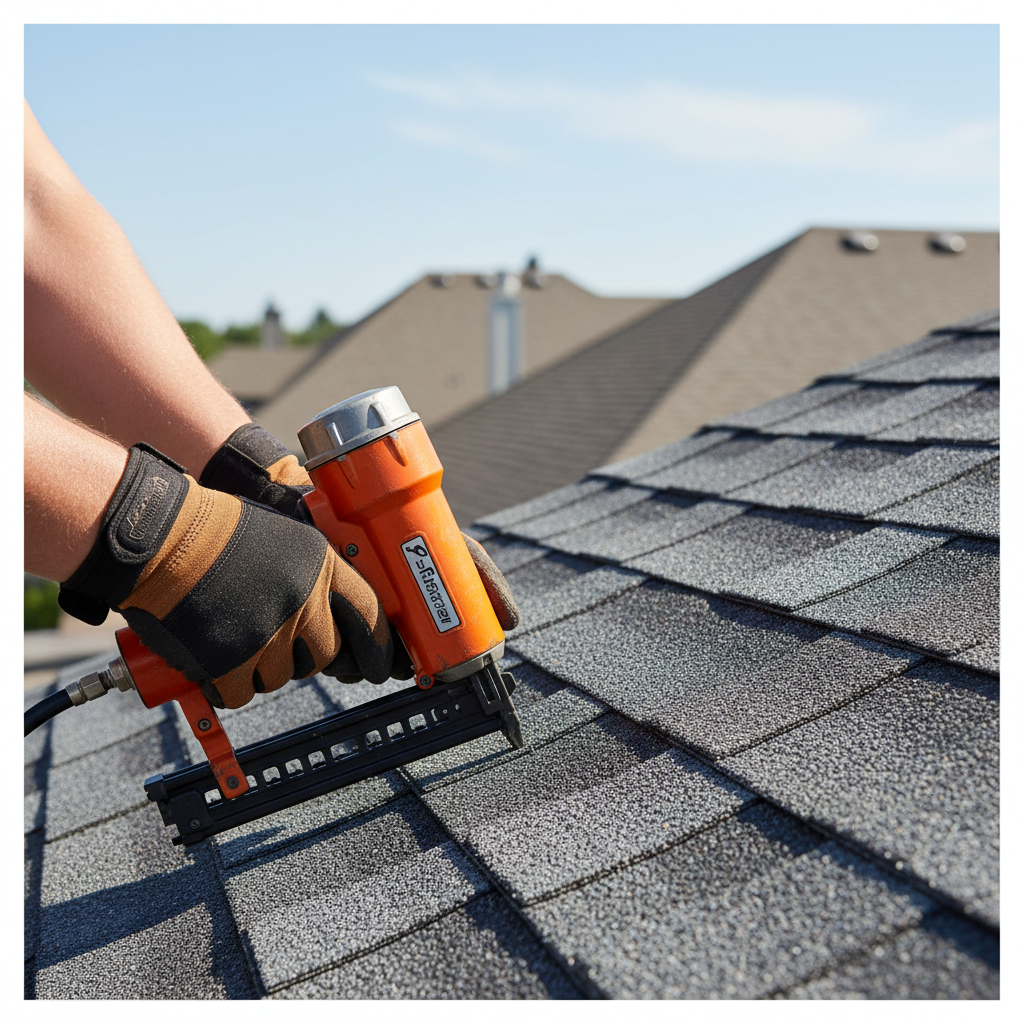
One of the most common issues is damaged or missing shingles. To replace a shingle, carefully remove the damaged piece and slide a new one into place. Secure it with roofing nails and ensure it's aligned with the surrounding shingles.
Sealing Leaks
Leaks can cause significant damage if not addressed quickly. Use roofing cement to seal small leaks. Apply it around the suspected area and spread it evenly using a putty knife. For larger leaks, consider temporary patches until a professional can assess the situation.
Cleaning Gutters
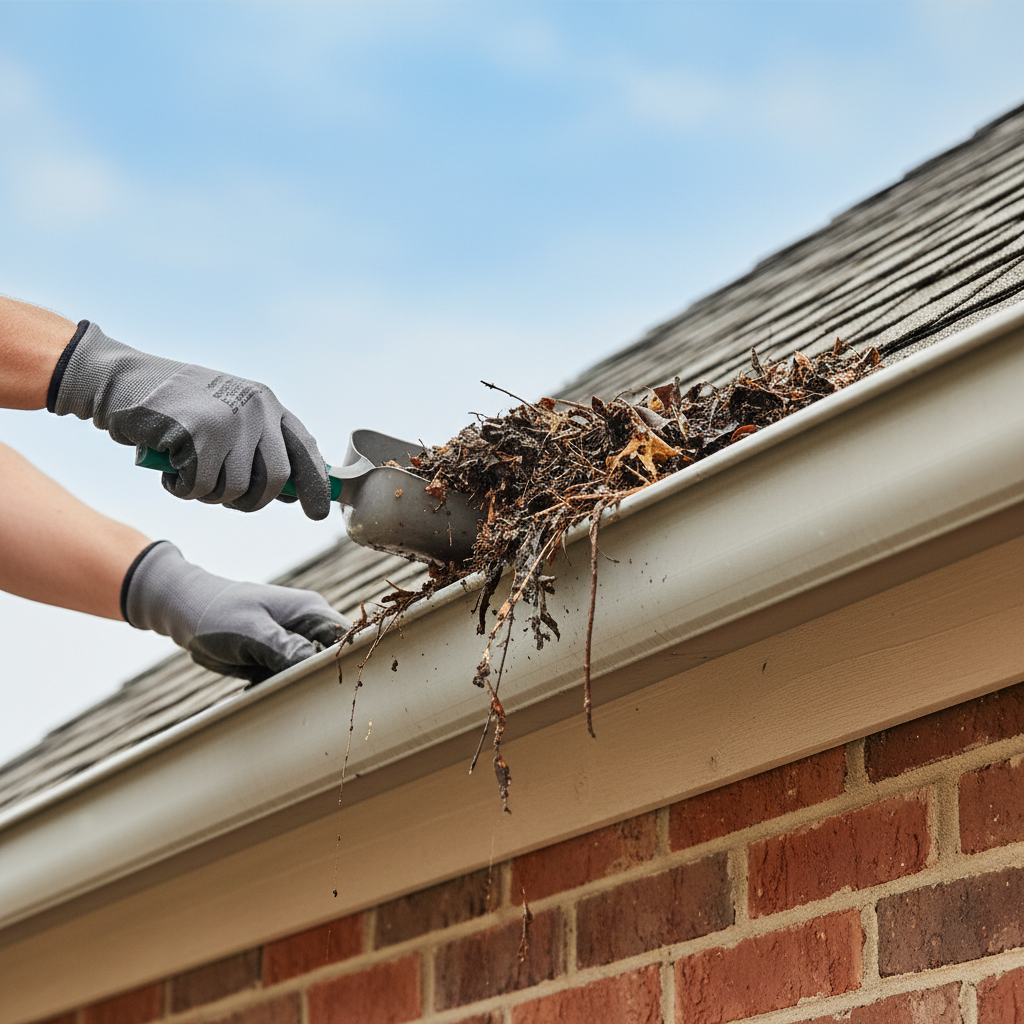
Clogged gutters can lead to water pooling on your roof, causing damage over time. Regularly cleaning your gutters ensures proper drainage and reduces the risk of leaks. Use a garden hose to flush out debris and check for any blockages.
When to Call a Pro
While DIY repairs can be effective for minor issues, it's essential to know when to call a professional. If the damage is extensive, or if you're unsure of the repair process, contacting a Terre Haute roofing expert is the best course of action.
Safety First
Roof work can be dangerous. Always prioritize safety by using a sturdy ladder, wearing non-slip shoes, and employing a safety harness if necessary. Avoid working on the roof during wet or windy conditions.
Conclusion
DIY roof repair can be a rewarding endeavor if approached with caution and the right knowledge. By assessing damage, making minor repairs, and knowing when to seek professional help, you can maintain your roof’s integrity and extend its lifespan.