Navigating Local Roofing Regulations in Terre Haute: What Homeowners Need to Know
LB
Understanding Local Roofing Regulations
When it comes to roofing projects in Terre Haute, understanding local regulations is crucial. These guidelines ensure that your project is not only safe but also compliant with local laws. Before starting any roofing work, it's essential to familiarize yourself with these regulations to avoid potential fines or setbacks.
Local building codes in Terre Haute are designed to promote safety and quality in construction. These codes specify the materials and methods that must be used in roofing projects. It's essential to adhere to these standards to ensure your roof's durability and safety.

Permits and Inspections
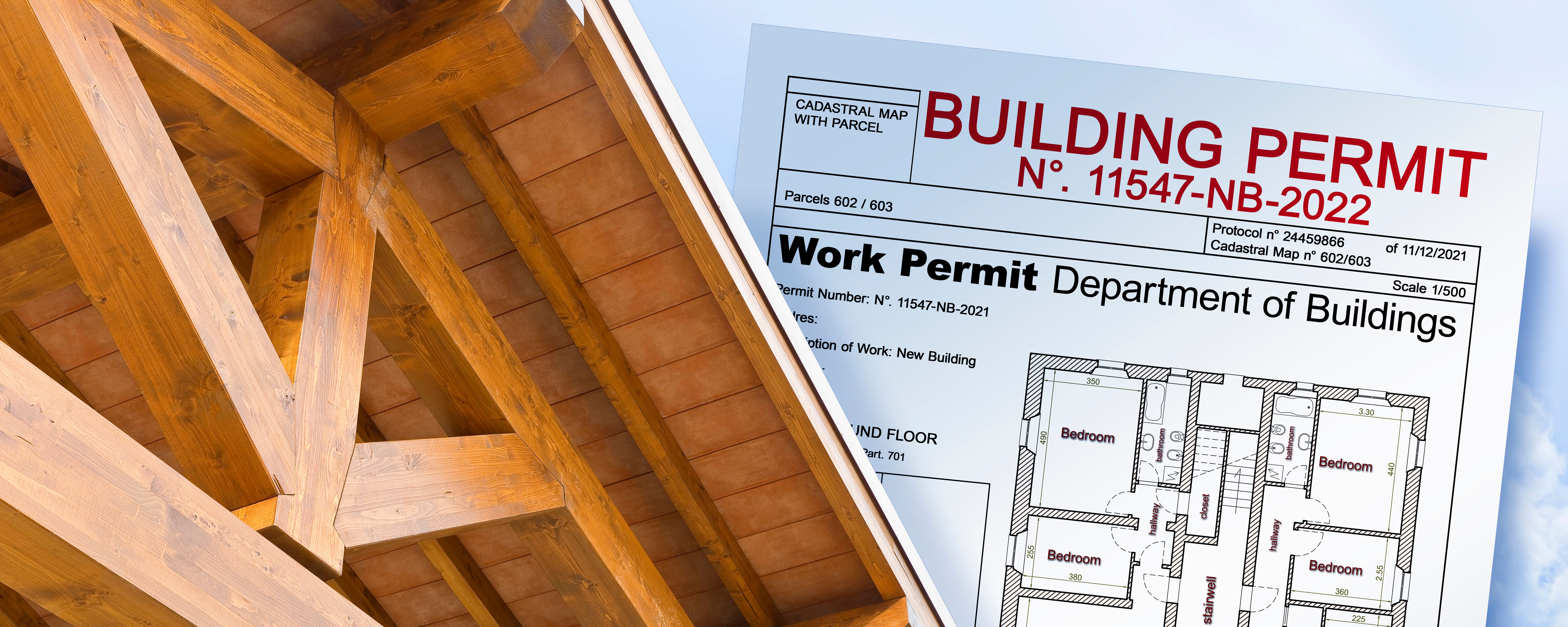
Before beginning any roofing project, securing the necessary permits is a critical step. In Terre Haute, homeowners must apply for a permit to ensure the work meets local safety and quality standards. This process involves submitting detailed plans and specifications of the proposed project.
Once the permit is obtained, inspections may be required at various stages of the project. These inspections ensure that the work complies with the approved plans and local building codes. It's important to schedule these inspections in advance to avoid delays.
Choosing a Licensed Contractor
Hiring a licensed contractor is not just a recommendation—it's a requirement for roofing projects in Terre Haute. Licensed contractors are familiar with local regulations and have the necessary skills to complete your project successfully. They ensure that all work is performed to code and that all necessary permits and inspections are handled properly.
When selecting a contractor, verify their licensing and insurance. This step protects you from potential liabilities and ensures the quality of the workmanship. Additionally, working with a local contractor can offer insights into specific regional requirements and weather considerations.
Material and Environmental Considerations
In Terre Haute, certain materials may be required or restricted based on environmental factors and local regulations. For instance, reflective roofing materials might be encouraged to improve energy efficiency. Additionally, some materials might be restricted due to weather resilience concerns.
Consulting with your contractor about the best materials for your specific needs and the local climate can save you money in the long term. It's also a good idea to check with local authorities about any incentives or rebates available for using eco-friendly materials.
Staying Informed and Updated
Building codes and regulations can change, so staying informed is vital for any homeowner planning a roofing project. Regularly check local government websites or consult with your contractor to ensure you have the most current information.
By understanding and navigating local roofing regulations, you can ensure a smooth, compliant, and successful roofing project. This proactive approach not only safeguards your investment but also contributes to the overall safety and aesthetic of your home and community.